Blog
What Are the Key Signs That Your Brush Chipper Knives Need Replacement?
What Are the Key Signs That Your Brush Chipper Knives Need Replacement?
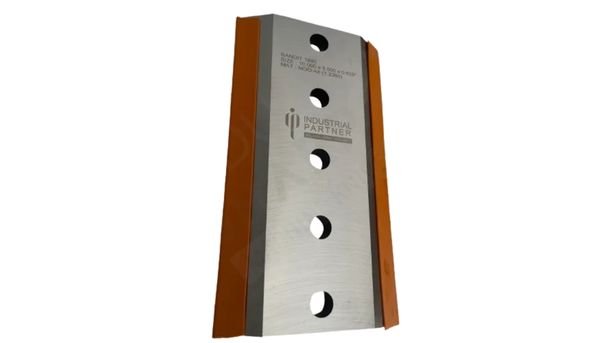
Brush chipper knives are an important part of manufacturing in wood processing, landscaping, forestry activities, and biomass management. These high-powered cutting parts are used to cut branches, logs, and organic debris. Nevertheless, like all industrial cutting tools, they wear out with time.
Neglecting the red flags may result in low-quality chips and machine overworking, security risks, and expensive downtimes. Knowledge on when to change your chipper knives is useful in keeping the maximum efficiency of your machine as well as performance. Here is the major list of indicators that it is high time to check or change your cutting parts.
1. Decreased Cutting Efficiency and Slower Performance
A limitation of cutting efficiency is one of the first indicators of worn brush chipper knives. A longer time required of your chipper to handle the same amount of material could indicate that the blades have lost their sharp edge.
How Performance Declines
In the same way, when knives become dull, their cutting power increases. This puts pressure on the motor and internal system of the machine.
Warning Indicators:
- Slower feeding speed
- Increased vibration
- Engine straining excessively.
- Irregular chip output
Why Immediate Action Matters
Working with blunt knives decreases productivity and consumes surplus fuel. Sharpening or replacing the knives will allow cutting precision again and guard your equipment against unnecessary use.
2. Poor or Inconsistent Chip Quality
The brush chipping must be of high quality so that it results in uniform wood chips. At the point when the brush chipper knives start to wear, the output will either be uneven, stringy, or shredded instead of clean-cut.
Signs in the Output
The cutting edge is also likely to be damaged in the event of an inconsistent chip size.
Look for:
- Oversized chips
- Fine sawdust-like particles
- Splintered material
- Uneven texture
Impact on Operations
Spoilage of chips may influence wood chip processing, efficiency of composting, or even resale price. The use of new knives will guarantee the regularity in output and the quality of the products.
3. Increased Machine Vibration and Noise
A high level of vibration or abnormal sound during the work can easily be used as an indicator of imbalance or unbalanced wear of brush chipper knives.
Causes of Vibration
Knives that become worn with non-uniform geometry or lose their initial geometry from edge wear will create an imbalance in the rotating assembly.
Common Symptoms:
- Loud grinding sounds
- Shaking during operation
- Loose mounting bolts
- Lower stability in operations.
Operational Risks
Over-vibration compromises bearings, shafts, and other machine parts. Continuous use with such conditions may cause significant mechanical failures. Working with old knives leads to the restoration of equilibrium and a seamless process.
4. Frequent Overheating of the Chipper
When knives get dull, heat is generated at a high rate. Rather than cutting straight, the old knives cut through wood fibres, and this produces friction.
Overheating Warning Signs
- Burn marks on wood chips
- Increased fuel consumption
- Reduced engine efficiency
Why This Should Not Be Ignored
When overheated continuously, internal machine parts may be damaged, and the life of the equipment may be shortened. Sharp brush chipper knives minimise friction and maintain constant operating temperatures.
5. Excessive Sharpening Frequency
Although sharpening increases the life of knives, there is a certain limit to how many times knives can be sharpened. When you have noticed that you need to sharpen your brush chipper knives more often than usual, it can be an indication that they have come to the end of their service.
Indicators of End-of-Life Knives
- Reduced blade thickness
- Loss of original edge angle
- Reduced structural integrity.
Where Replacement Is Greater than Sharpening
Frequent sharpening makes blades’ mass and life span shorter. At some point, replacement turns out to be cheaper than maintenance.
6. Increased Fuel or Energy Consumption
Badly maintained knives make the engine strain. When fuel consumption rises without a corresponding rise in workload, all you have to do is look behind you; dull or broken blades might be the suspects.
Operational Impact
Increased fuel usage will be reflected in costs and decreased profitability of operations.
Monitor For
- Observable increase in consumption of fuel.
- Decreased processing capability.
- Slower feed rate
The replacement of the inefficient knives contributes to the restoration of the optimal performance and energy consumption.
7. Safety Concerns During Operation
The first one should be safety. Old or broken brush chipper knives enhance the chances of material kickback, machine jamming, and unplanned blade malfunction.
Potential Safety Risks
- Non-smooth feeding material.
- Sudden blockages
- Shutting down of machines unexpectedly.
- Unstable cutting action
Inspection and replacement as often as possible would minimize the risk and provide a safer working environment.
Why Timely Replacement Matters
Replacement signs are not economical to ignore, as they play up the long-run expenses. Use of compromised knives will lead to:
- Reduced productivity
- Increased maintenance costs.
- Machine downtime
- Lower chip quality
- Increased safety hazards
Wear can be detected in time before it causes a significant problem, which is made possible by preventive maintenance and scheduled inspections.
Best Practices to Extend Knife Lifespan
Replacement is unavoidable, but good care can be used to have maximum longevity.
Maintenance Tips
- Inspect knives regularly.
- Clean up garbage prior to operation.
- Abide by the manufacturer’s torque requirements.
- Do not process a contaminated material.
- Sharpen at frequent intervals.
Such preventive measures are useful in sustaining cutting operations and postponing unwarranted replacement.
Conclusion
Being able to identify the main indicators of worn-out chipper knives is very crucial to the continuity of productivity, efficiency, and safety. Decreased cutting performance and low-quality chips are only the beginning, as you may see obvious damage and overheating as the symptoms of this issue as well.
The replacement will keep the machine running and minimize its load and risk, making it a long-lasting investment in the equipment.
At Industrial SharpCut, precision-cut brush chippers are produced using high-quality materials, regulated heat treatment, and stringent quality measures to give the product durability and performance in harsh conditions. The efficiency is guaranteed through the investment in effective cutting solutions.
Recent Posts