Blog
7 Questions to Ask Before Buying Industrial Pelletizer Knives
7 Questions to Ask Before Buying Industrial Pelletizer Knives
Selecting appropriate Industrial Pelletizer Knives plays an important role in ensuring the efficiency of your production process, pellet quality, and minimizing cost in the long run. Before buying them, potential buyers must consider the following aspects to ensure that their knives do not fail prematurely or result in poor pelletizing performance. Choosing appropriate industrial pelletizer knives can help your organization achieve improved productivity levels at minimal costs, whether you are running a plastic recycler facility or a plastics processor plant.
Key Takeaways
- Ensure that blade composition and steel quality are examined prior to purchase.
- Confirm whether or not the blades will work with your pellet mill.
- Take into account the toughness of the blades and how long they can last.
- Inquire about the manufacturing precision and standards applied during production.
- Know the details of sharpening and maintenance.
- Choose an experienced supplier.
What You Need to Know
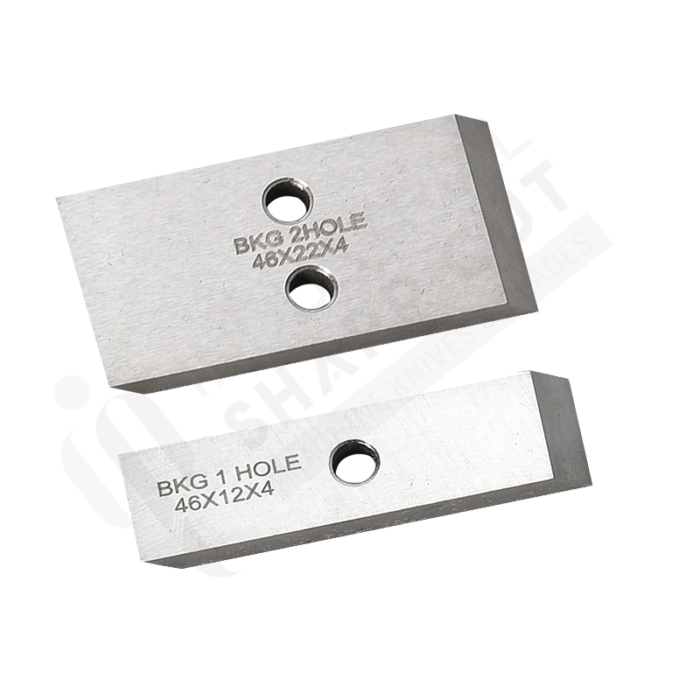
Industrial Pelletizer Knives are essential cutting components used in pelletizing systems that convert processed plastic materials into uniform pellets. These pellets are then used in the manufacture of products or recycled material.
The effectiveness of pelletizer knives influences not only the quality of pellets being produced, but also the efficiency and cost of the manufacturing process, machinery wear and tear, etc. Though poor-quality knives might initially seem cheap, the truth is that they usually have to be replaced too frequently and produce pellets of different sizes.
It is essential to clarify certain aspects before the buying process begins.
Important Factors
1. What Material Is the Knife Made From?
The material used in manufacturing pelletizer knives has a significant impact on durability and cutting performance.
Key considerations include:
- Wear resistance
- Hardness levels
- Corrosion resistance
- Impact strength
- Edge retention
High-quality steels such as D2, M2, and specialized tool steels are commonly used in premium Industrial Pelletizer Knives for demanding applications.
2. Are the Knives Compatible with Your Pelletizer?
Not all knives fit every pelletizing system. Improper compatibility can result in poor performance and excessive machine wear.
Ask your supplier:
- Is the knife designed for my machine model?
- Does it meet OEM specifications?
Proper compatibility ensures smooth operation and consistent cutting performance.
3. How Long Is the Expected Service Life?
Blade lifespan directly impacts operating costs and maintenance schedules.
Factors affecting longevity include:
- Material quality
- Heat treatment process
- Production volume
- Type of plastic being processed
- Maintenance practices
Reliable suppliers should provide realistic performance expectations for their Industrial Pelletizer Knives based on your application.
4. What Manufacturing Standards Are Used?
Precision manufacturing of knives is essential for maintaining consistent pellet quality.
Ask about:
- CNC machining processes
- Grinding accuracy
- Dimensional tolerances
- Quality inspection procedures
Tightly controlled manufacturing standards help ensure that knives deliver reliable cutting performance throughout their service life.
5. What Heat Treatment Process Is Applied?
Heat treatment plays a critical role in determining hardness, toughness, and wear resistance of knives.
Proper heat treatment helps:
- Extend blade lifespan
- Improve edge retention
- Reduce cracking risks
- Enhance cutting consistency
A well-manufactured knife combines hardness and toughness to withstand continuous industrial operation.
6. How Easy Are the Knives to Maintain?
Maintenance requirements can significantly impact production efficiency.
Important questions include:
- Can the knives be resharpened?
- How often is sharpening required?
- What maintenance procedures are recommended?
- Are replacement knives readily available?
Well-designed Industrial Pelletizer Knives should be easy to maintain while delivering consistent performance.
7. Does the Supplier Provide Technical Support?
Supplier expertise often becomes just as important as the product itself.
A reliable supplier should offer:
- Application guidance
- Technical consultation
- Product recommendations
- After-sales support
- Troubleshooting assistance
Working with an experienced supplier helps ensure optimal knife selection and long-term operational success.
Benefits / Advantages
Choosing the right Industrial Pelletizer Knives offers several important benefits:
- Improved Pellet Quality- Precision cutting creates uniform pellets that support efficient downstream processing.
- Reduced Downtime- Durable knives require fewer replacements and maintenance interruptions.
- Lower Operating Costs- Long-lasting blades reduce replacement frequency and maintenance expenses.
- Enhanced Production Efficiency- Sharp and accurately manufactured knives improve throughput and machine performance.
- Better Equipment Protection- Quality knives reduce stress on pelletizing equipment and help extend machine life.
- Greater Return on Investment- Premium knives often deliver significant savings over their operational lifespan.
Why It Matters
Pelletizing operations depend heavily on consistent cutting performance. Even small issues with knife quality can affect production efficiency, pellet consistency, and operating costs.
For example, poorly manufactured knives may cause:
- Irregular pellet sizes
- Increased machine vibration
- Higher energy consumption
- More frequent maintenance
- Production delays
Asking the right questions before purchasing helps eliminate these risks and ensures that your investment supports long-term operational goals.
Common Mistakes to Avoid
Many buyers focus solely on purchase price without evaluating overall value.
Avoid these common mistakes:
- Choosing the cheapest option available
- Ignoring blade material specifications
- Overlooking machine compatibility
- Failing to evaluate supplier experience
- Neglecting maintenance requirements
- Not asking about heat treatment processes
- Assuming all pelletizer knives perform the same
These mistakes often lead to higher costs and reduced productivity over time.
Expert Insights
Industry professionals recommend evaluating pelletizer knives based on performance, durability, and total cost of ownership rather than initial purchase price alone.
Best practices include:
- Request detailed material specifications.
- Verify quality control procedures.
- Ask for application-specific recommendations.
- Choose suppliers with proven industry experience.
- Consider long-term maintenance and replacement costs.
The best Industrial Pelletizer Knives are those that consistently deliver reliable performance while minimizing downtime and maintenance expenses.
Frequently Asked Questions
How often should Industrial Pelletizer Knives be replaced?
Replacement frequency depends on production volume, material type, and maintenance practices. High-quality knives generally last significantly longer than standard alternatives.
What steel grade is best for pelletizer knives?
D2, M2, and other premium tool steels are commonly used because they offer excellent wear resistance and edge retention.
Can pelletizer knives be sharpened?
Yes. Most high-quality pelletizer knives can be resharpened multiple times before replacement becomes necessary.
Why do pelletizer knives wear out quickly?
Common causes include abrasive materials, improper maintenance, poor heat treatment, and low-quality blade materials.
Are custom pelletizer knives available?
Yes. Many manufacturers provide custom sizes, materials, and specifications to match specific pelletizing systems.
How do I choose a reliable pelletizer knife supplier?
Look for experience, manufacturing expertise, quality certifications, technical support, and a proven track record in industrial cutting solutions.
Final Takeaway
Purchasing Industrial Pelletizer Knives is a decision that directly affects production efficiency, pellet quality, maintenance costs, and overall profitability. By asking the right questions about material quality, compatibility, manufacturing standards, heat treatment, maintenance requirements, and supplier expertise, buyers can make more informed decisions and avoid costly mistakes. Investing in premium pelletizer knives delivers long-term operational benefits and improved performance. At Industrial Sharp Cut, precision-engineered pelletizer knives are manufactured to meet demanding industrial requirements, helping customers achieve reliable performance, extended blade life, and greater operational efficiency.
Recent Posts