Blog
The Hidden Costs of Using Low-Quality Wood Chipper Blades
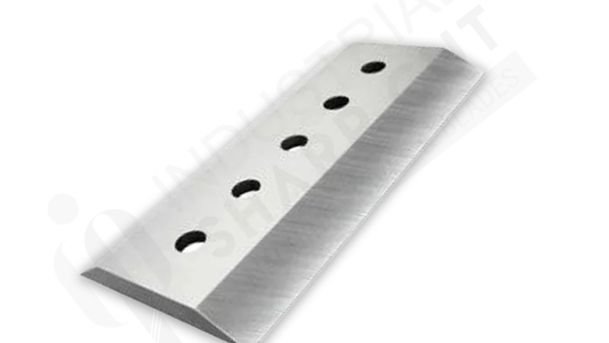
The Hidden Costs of Using Low-Quality Wood Chipper Blades
Forestry, biomass processing, landscaping industries, and tree services directly depend on cutting efficiency, as it influences productivity and profitability. Although, to use cheap parts to save initial expenses might arise in this case, low-grade cutting tools tend to be more expensive in the long run. The solidity of wood chipper blades is one of the least considered aspects of costs in these operations.
At least, it may seem that low-quality wood chipper blades can be cheap, but when considering the expenses that can be concealed beneath the wood, the savings can be easily covered by the costs pretty soon. Poor-quality blades may have adverse consequences on performance and profitability, as machine downtime and even safety issues are concerned. Knowledge of such hidden costs would enable the businesses to make wiser decisions in terms of investments.
1. Frequent Downtime and Production Delays
Frequent downtimes are one of the major hidden expenses of low-quality blades. Poor-quality blades are dulled easily, they can be chipped, and they fail due to excessive workloads.
How Downtime Impacts Operations
In case the blade’s cutting edge become dull in a short time, then the machines have to be shut down to sharpen or change them. Such disruptions decrease the productivity per day and postpone the completion of projects.
Operational Consequences:
- Missed project deadlines
- Reduced daily output
- Increased labor costs
- Idle equipment time
Good-quality wood chipper blades have a longer cutting edge sharpness, and they are less likely to go out of operation compared to those with low-quality blades.
2. Increased Fuel and Energy Consumption
Low-quality blades create unnecessary friction and fail to cut cleanly through wood fibers, causing the material to tear and crush rather than produce a smooth cut.
Why This Raises Costs
In case of inefficient blades, more effort is required of the engines to keep the cutting speed. It consumes more fuel and also exerts more pressure on mechanical parts.
Financial Impact:
- Higher fuel bills
- Reduced engine efficiency
- Enhanced wear on moving components.
- Increased cost of operation.
Effective cutting also makes the machine work less hard, and this decreases the total operating costs.
3. Accelerated Machine Wear and Repair Costs
This may result in the imbalance and excessive vibration of the low-grade wood chipper blades. Uneven wear is usually caused by poor metallurgy and imprecise hardness.
Mechanical Risks
Internal parts like bearings, shafts, and rotors are destroyed by vibration and inappropriate cutting pressure.
Repair costs that are covert:
- Bearing replacements
- Shaft realignment
- Belt wear
- Rotor damage
The price of fixing the parts of a machine is usually more than the difference between cheap and high-quality blades.
4. Poor Chip Quality and Reduced Material Value
Homogeneous chip size is needed in biomass production, landscaping, and commercial wood processing. Poor quality of the blades creates uneven chips as a result of uneven edge geometry.
Effects on Output
Unusual chips may decrease the value of processed material resold and have an influence on downstream processing.
Common Output Problems:
- Oversized chips
- Excessive sawdust
- Splintered wood
- Inconsistent texture
Wood chipper blades that are durable and have high levels of accuracy of the engineered blades assure the same quality of chip and enhanced values of products.
5. Increased Sharpening Frequency
Poorly cut blades lose their edge much quicker than those that are of high quality. All-too-frequent sharpening is not only a source of increasing costs of labor but also a source of decreasing life of the blades.
Why Frequent Sharpening Is Costly
Every sharpening step takes away the blade material, and it wears away its structure slowly.
Long-Term Consequences:
- Reduced blade thickness
- Reduced structural integrity.
- Reduced replenishment cycle.
- Increased workload on maintenance.
Better-quality wood chipper blades cost much less to purchase, can be sharpened significantly less frequently, and last longer.
6. Higher Risk of Unexpected Blade Failure
Poor-quality blades are not well heat-treated and cannot be structurally stable. They can crack or chip under heavy loads.
Safety and Operational Risks
A break-in of the blade may stop the process instantly and cause safety risks to the workers.
Potential Issues:
- Emergency shutdowns
- Operator injury risk
- Equipment damage
- Costly emergency repairs
The quality blades that are produced under the strict control of quality mitigate the chances of catastrophic failure.
7. Negative Impact on Business Reputation
Timely completion of projects is important to the tree service companies and industrial operators. The missed time due to the failure of equipment may damage client relations.
Business Consequences
Failure to meet the deadlines and customer dissatisfaction can be caused by poor equipment performance.
Reputation Costs Include:
- Loss of repeat business
- Negative client feedback
- Weakened competitive advantage.
- Reduced general profitability.
The quality of cutting parts ensures professionalism and the trust of customers
8. Hidden Long-Term Replacement Costs
It seems that cheaper blades will lower the fuel costs of procurement, at first sight. But they have a short lifespan, hence making them replaceable.
True Cost Comparison
Through higher replacement frequency, an overall annual expenditure on blades can be higher than the investment in premium ones.
Take into Account the Long-Term Factors:
- Replacement frequency
- Installation expenses in labor.
- Machine recalibration time
- Inventory management
Durable wood chipper blades will decrease the total lifecycle costs and ensure a better investment payoff.
Conclusion
The costs involved in using inferior-quality wood chipper blades are hidden, much further than the cost of buying. The downtime is more frequent, the fuel consumption increases, the machines are wearing out, the quality of the chips is also lower, the safety risks increase, and the replacement cycles are also more expensive in the long run.
The selection of high-performance wood chipper blades guarantees the consistency of the cutting efficiency, the maintenance, and the reliability of the functioning.
Industrial SharpCut offers high-quality wood chipper blades that are engineered to a high level with the consideration of high-quality materials, heat treatment techniques, and quality requirements to achieve durability and performance in harsh conditions.
Recent Posts