Blog
Top 5 Maintenance Mistakes That Destroy Chipper Knives
Top 5 Maintenance Mistakes That Destroy Chipper Knives
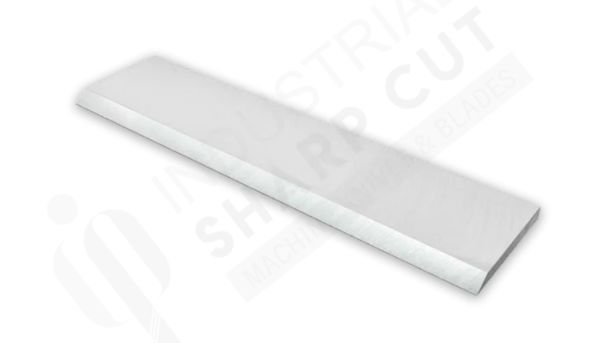
Chipper knives play a key role in wood processing, forestry, landscaping, and biomass management. They can be able to resist heavy loads, abrasive materials, and repeated cutting cycles. The best knives can be damaged too soon, though even high-quality knives are not guaranteed to last long without proper maintenance.
Most of the equipment operators fail to understand that they are reducing the life of chipper knives thanks to their errors, which can be avoided during maintenance. These errors not only spoil the knives but also contribute to the downtime of the machines, high consumption of fuel, and the costs of repair. The five biggest maintenance errors that ruin chipper knives—and how to avoid them are listed below:-
1. Ignoring Regular Inspection and Wear Monitoring
As one of the most widespread ones, it is possible to mention the failure to check chipper knives on a regular basis. Blade condition is frequently only checked when there is a substantial drop in performance.
Why This Is a Problem
Minor cracks or shallow edges, microcracks, or a slow but steady dulling may soon develop into severe structural defects.
Effects of Inadequate Inspection:
- Uneven cutting performance
- Increased vibration
- Sudden blade chipping
- Reduced machine efficiency
How to Avoid This Mistake
- Arrange regular visual examinations.
- Test rounded edges or cracks.
- Keep track of the quality of chips.
- Change or sharpen knives as appropriate.
The active check will prolong the service of chipper knives and save extra money on repairing the equipment.
2. Delaying Sharpening Until Knives Are Extremely Dull
The other significant maintenance mistake is that of taking too long to sharpen blades. Skeleton knives cause the machine to produce more effort, which results in extra friction and heat.
What Happens When Knives Stay Dull
Once the knives become dull, they do not cut cleanly but tear the fibers of wood. This puts more pressure on the rotor, engine, and bearings.
Signs Sharpening Is Overdue:
- Slower feed rate
- Irregular chip size
- Higher fuel consumption
- Increased engine load
Proper Sharpening Practice
- Hone it before it becomes critically dull.
- Maintain the correct edge angle.
- Grind using professional knife grinding machines.
Timely sharpening of chipper knives is an important factor that enhances the longevity and efficiency of such knives.
3. Incorrect Sharpening Techniques
Improper sharpening may be worse than not sharpening at all. The wrong angle of using or eliminating excess material destroys the blade structure.
Common Sharpening Errors
- Sensation of being grounded on the side.
- Adjusting the original bevel angle.
- Overheating the blade edge
- Excessive material removal
Why This Destroys Knives
Balance and cutting efficiency are influenced by changing the blade geometry. It may also lower the strength of the structures of chipper knives and make them likely to crack.
How to Prevent Sharpening Damage
- Abide by the sharpening instructions of the manufacturers.
- Keep bevel angles the same.
- Use coolant during grinding.
- Do not use excessive force when grinding.
Long-time reliability and standard cutting performance are guaranteed through precision sharpening.
4. Improper Installation and Torque Settings
Knives are prone to failure even when carefully kept, and in case of improper installation. Inaccurate torque or disproportional mounting results in an imbalance in operation.
Risks of Poor Installation
Lack of even-handedness in holding knives causes uneven distribution of stress, causing them to wear or fracture at an early stage.
Common Installation Mistakes:
- Overtightening bolts
- Under-tightening bolts
- Omitting the calibration of torque.
- Neglect in cleaning mounting areas.
Best Installation Practices
- Wipe the cutting edge of the knife with a clean cloth before mounting.
- Use calibrated torque tools.
- Tighten bolts evenly.
- Alignment of checks prior to operation.
Proper installation will conserve the structural integrity of chipper knives and minimize wear from vibration.
5. Processing Contaminated or Improper Material
One of the quickest methods of breaking cutting edges is by feeding contaminated material into the chipper. Blades can be severely damaged by stones, metal fragments, soil, and foreign objects.
How Contamination Causes Damage
Hard debris causes impact shock at the cutting edge and results in cracks, chips, and warping.
Warning Signs of Contamination Damage:
- Sudden loud impact noises
- Visible edge fractures
- Short-term reduction in cutting efficiency.
- Machine vibration increases.
Preventive Measures
- Investigate material prior to feeding.
- Wipe off soil and entrenched debris.
- Do not overload the machine.
The storage of chipper knives to prevent contamination goes a long way in prolonging their service life.
The Hidden Costs of Poor Maintenance
Maintenance errors are not harmless to knives, but they have an impact on the whole functioning.
When Chipper Knives are not maintained properly, they may lead to:
- Increased downtime
- Higher repair expenses
- Lower chip quality
- Increased fuel consumption
- Reduced equipment lifespan
What may seem like a small error can soon end up being a high cost of operation.
The Importance of Preventive Maintenance Planning
It is much cheaper to do preventive maintenance than reactive maintenance. The maintenance schedule should be organized to make sure that knives work within the best parameters.
Recommended Maintenance Strategy
- Implement inspection logs.
- Keep the sharpening records.
- Track replacement cycles.
- Best practices for train operators.
- Replacement knives should be of high quality.
Regularly planned maintenance prevents damage to the blades and the chipper machine.
Why Quality Manufacturing Still Matters
Correct maintenance notwithstanding, the durability of blades is determined by the quality of manufacturing. The quality of the knife in terms of its resistance to stress depends on precision metallurgy, controlled heat treatment, and correct grinding.
The low-grade knives are more susceptible to damage due to the usual working environment. Better resistance to wear and impact is guaranteed by investing in high-performance chipper knives.
Conclusion
One of the primary factors that leads to premature blade failures is maintenance errors. Neglecting inspection at regular intervals, deferment of sharpening, improper grinding methods, improper installation, and working on contaminated material would cause a reduced life of the blade.
These five common mistakes can be avoided to help businesses avoid the cost of replacement and rely on the service life of their Chipper knives, shorten the period of downtime, and enhance business productivity.
The knives at Industrial SharpCut are manufactured using the exact metallurgy, stringent quality standards, and design specifications to provide durability and reliability. Good quality knives in combination with good maintenance practices will guarantee smooth operations, reduce costs, and ensure productive operations in the long run.
Recent Posts