Blog
How Chipper Blade Material Impacts Performance in Tree Care Operations
How Chipper Blade Material Impacts Performance in Tree Care Operations
The care of the trees requires dependability, resistance, and precision of cutting. Regardless of storm cleanup, trimming of branches, or significant tree eradication, the quality of equipment is important for performance efficiency. The blade is one of the most important components of the machine that is significant in deciding on productivity and durability.
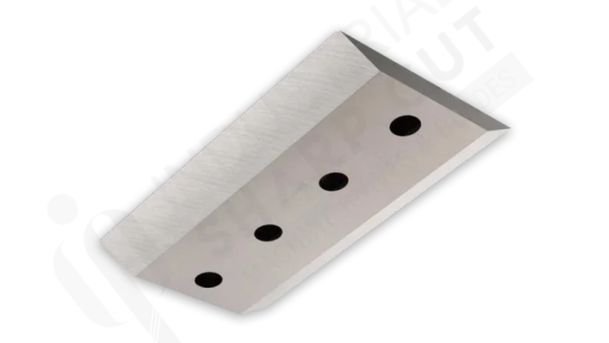
The quality of the construction of the blade of a chipper directly affects its performance. The right Chipper Blade Material also has the provision of sharpness retention, impact resistance, and durability when faced with heavy workloads. This knowledge of the effect of the blade material on the operations may assist the tree care companies to minimize downtime, decrease the cost, and achieve the ability to offer consistent output.
1. Hardness and Edge Retention
Hardness is one of the most significant features of chipper blades. The degree of hardness of the chipper blade material defines the duration of time for the cutting edge to remain sharp when used continuously.
Why Hardness Matters
The blade used in tree care operations is exposed to hardwood, softwood, knots, and some debris. An overly soft blade will wear out easily, which will lessen the cutting ability.
Benefits of Proper Hardness:
- Increased periods between sharpening.
- Regular performance in cutting.
- Reduced machine strain
- Daily productivity is enhanced.
But when the hardness exceeds the toughness, it may result in brittleness. Stiffness and pliability are critical to balance.
2. Toughness and Impact Resistance
The environment of tree care is unreliable. Blades can hit concealed nails and rocks or thick pieces of wood. The hardness of the material used to make the blade influences the ability to absorb the impact without cracking.
Effects on Operational Safety
Chipper blade material is of high quality, giving it superior shock absorption and minimizing the possibility of sudden failure of the blade.
Advantages of High Toughness:
- Less chipped and fractured.
- Better structural stability.
- Reduced the probability of emergency shutdowns.
- Enhanced operator safety
The choice of blades with equal metallurgical value safeguards the equipment and the personnel.
3. Wear Resistance in Abrasive Conditions
The dirt and sand, among other abrasive substances, are very common in tree debris. These factors eventually erode the edges of blades.
Role of Alloy Composition
Blades made using high-grade alloy steels have high wear resistance properties as opposed to those made of low-grade alloy materials.
Performance Benefits:
- Slower edge degradation
- Consistent chip quality
- Lower rate of replacement.
- Reduced long-term maintenance expenses.
Durability of chipper blade material is an important investment that increases the total cutting life.
4. Heat Treatment and Structural Integrity
Performance cannot be ensured by the quality of the material alone. Heat treatment is very crucial in increasing the strength of the blades and the even distribution of hardness.
Why Heat Treatment Is Critical
Properly heat treated blades are able to exist structurally even at high rotating speeds and with heavy loads.
Key Advantages:
- Equal hardness of the blade.
- Reduced internal stress
- Enhanced resistance to fatigue.
- Longer operational life
Poor heat treatment may produce weak spots that may become failures early in the stressful operation.
5. Cutting Efficiency and Fuel Consumption
The kind of chipper blade material determines the smoothness with which the blade cuts the fibers of wood. Clean cutting decreases resistance, and poor quality of the material leads to tears rather than cuts.
Operational Impact
When blades cut effectively, engines would run at optimum performance levels.
Efficiency Gains Include:
- Lower fuel consumption
- Reduced vibration
- Improved feed rate
- Increased productivity
In the long run, effective cutting will lead to the minimization of operational costs and profit increases.
6. Corrosion Resistance and Environmental Exposure
Equipment used in tree care is often exposed to moisture, rain, sap, and outdoor conditions. These elements can cause corrosion, weakening the blades and reducing their structural integrity.
Material Selection for Outdoor Use
The lifespan of blades made from non-corrosive alloys or coated with protective materials is longer in the outdoor environment.
Advantages of Corrosion Resistance:
- Less rust formation
- Stable cutting edge
- Longer storage life
- Greater reliability
The selection of quality material for the chipper blade would be one aspect that would ensure performance regardless of the conditions.
7. Influence on Maintenance Frequency
The type of material used to make a blade directly affects the frequency of maintenance. Low-quality materials are prone to wear and tear, and they need frequent sharpening.
Maintenance Cost Impact
Maintenance increases labor costs and unavailability of machines.
Benefits of High-End Materials:
- Long sharpening periods.
- Less downtime of operations.
- Reduced overall maintenance costs.
- Increased blade lifespan
Performance-based materials enable tree care companies to be productive and less repair-oriented.
8. Overall Equipment Longevity
The functionality of chipper blades determines the general well-being of the machine. Blades of low or dull grade raise vibration and mechanical stress.
Protecting Machine Components
Good blades decrease unneeded stress on the bearings, shafts, and rotors.
Long-Term Benefits:
- Reduced mechanical wear
- Lower repair costs
- Improved machine stability
- Long life of equipment.
Why Material Quality Determines Business Efficiency
In the operations of the tree care companies, the markets are very competitive, and efficiency is of importance. Very important to customer satisfaction and profitability can be the failure of the equipment, poor quality of the chips, or high downtime rates.
Knowledge of the effect that chipper blade material would have on performance aids in making sound decisions made by businesses when they purchase products. Rather than giving only attention to initial cost, one should estimate long-term durability and efficiency of operations so that financial results are more beneficial.
Conclusion
The type of material utilized by the chipper blades is very crucial in determining their performance, durability, and safety during the tree care activities. Hardness and toughness to wear resistance and heat treatment—all areas of blade metallurgy will determine the cutting performance and the life of a machine.
The right chipper blade material minimizes downtime and cuts down the frequency of maintenance, and also makes the operation more fuel efficient and also makes it more stable as a whole.
At Industrial SharpCut, chipper blades are made with high-grade materials, proper heat treatment processes, and a high level of quality at each production stage to make sure that they perform at a high level in tough tree care conditions. This is a long-term move towards productivity, safety, and profitability as a result of investing in superior blade solutions.
Recent Posts